Why is the grass suddenly growing so fast late in the season? Autumn is usually the reason
You mow every fortnight, yet the lawn keeps shooting up. The photograph shows both lush grass and plenty of clover – a typical combination when late-summer warmth is followed by more moisture and cooler air.
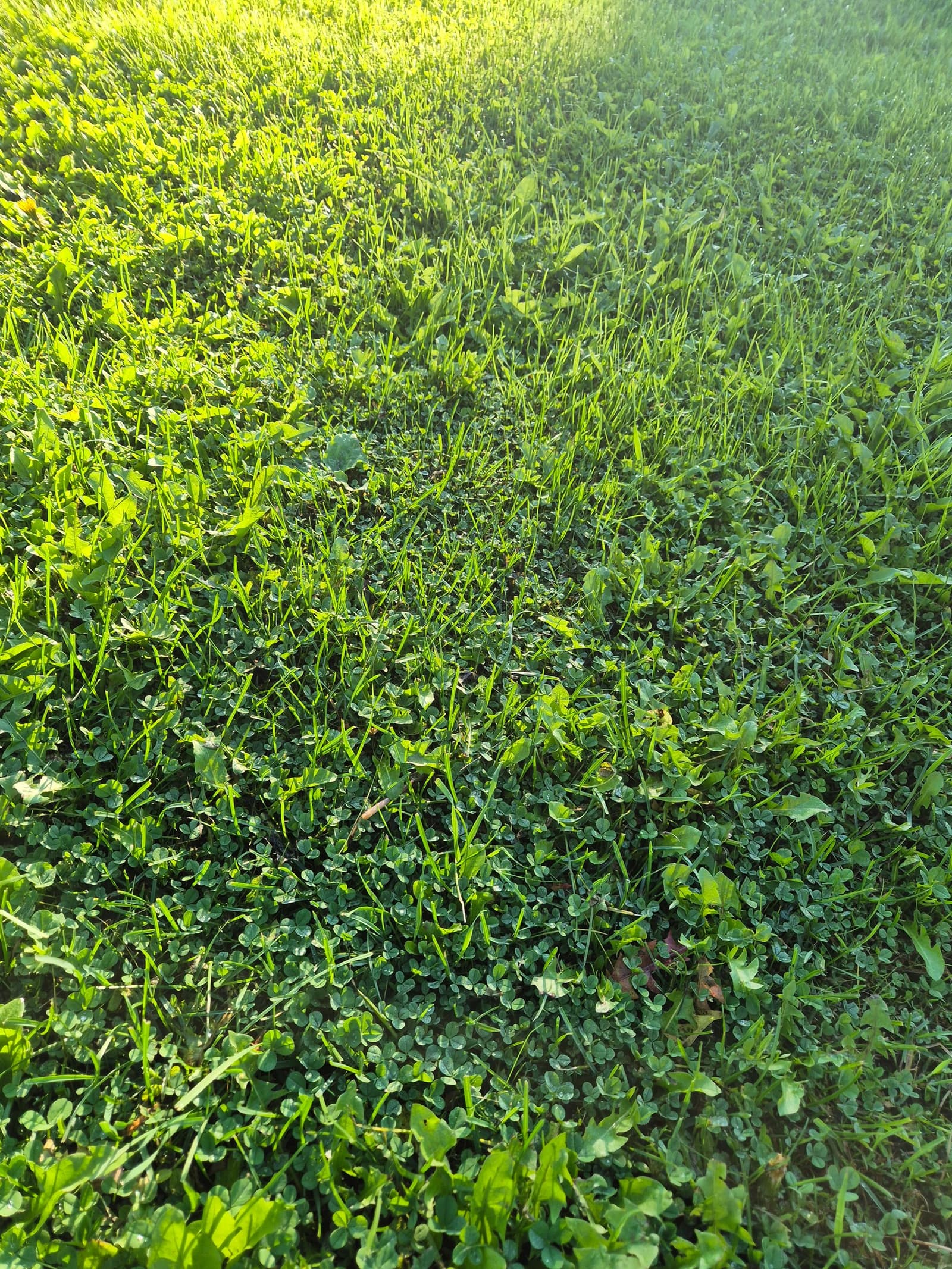
What you are seeing in Hartungviken, Sweden, in early September fits a normal autumn growth spurt very well. After the stresses of summer, many grasses grow more strongly again as nights cool while the soil remains warm enough for the roots. More energy then goes into new leaves, which soon becomes noticeable even if you mow every fortnight and have not watered or fed the lawn recently.
The photograph also shows a fairly mixed lawn with plenty of clover. Clover often stays green and vigorous for a long time, making the whole area look especially lush while the grass grows taller between cuts. This does not mean anything is wrong; the lawn is responding to better growing conditions than it had in high summer.
The practical response is to mow a little more often if you want to keep the height down, avoiding taking too much off in one go. Avoid a strong nitrogen feed this late in the season, but continue with ordinary care. As long as the grass looks healthy and green, without patches or a slimy, flattened appearance, rapid growth at this time mainly shows that the growing season is still active.
Sources and images 1
- Original reader contribution ↗Reader question