‘Nasty mushrooms’ in the gravel: why they appear there
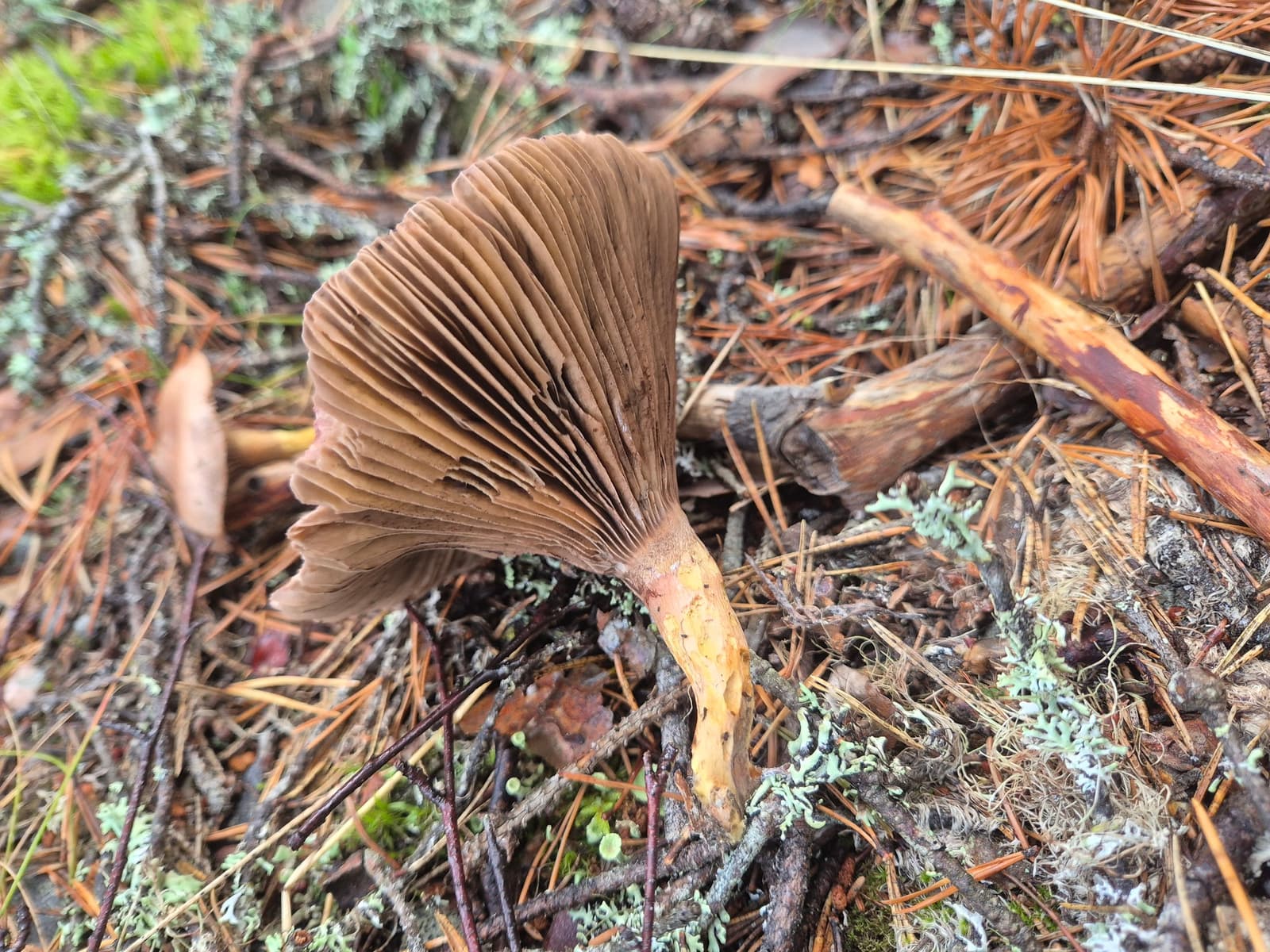
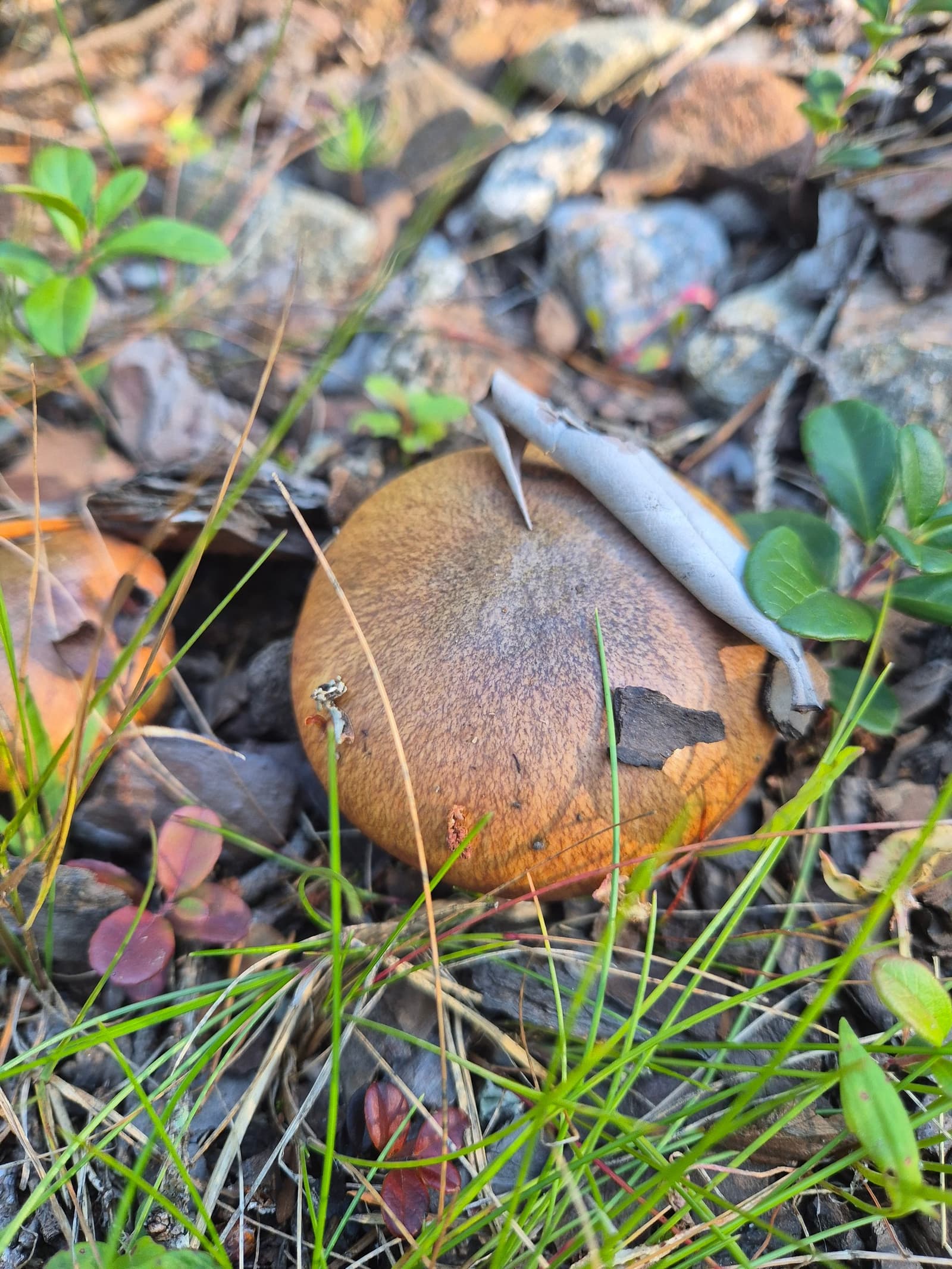
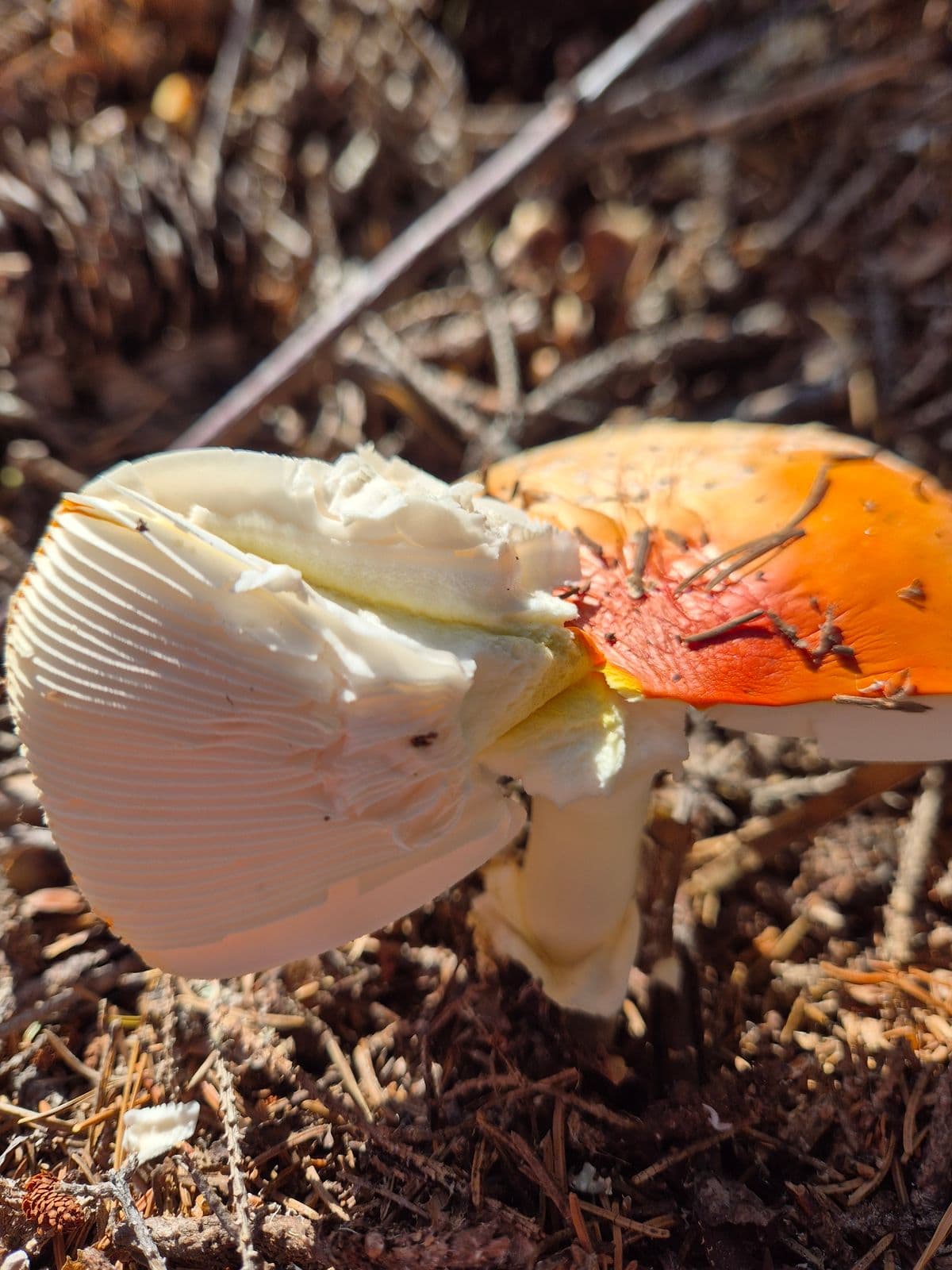
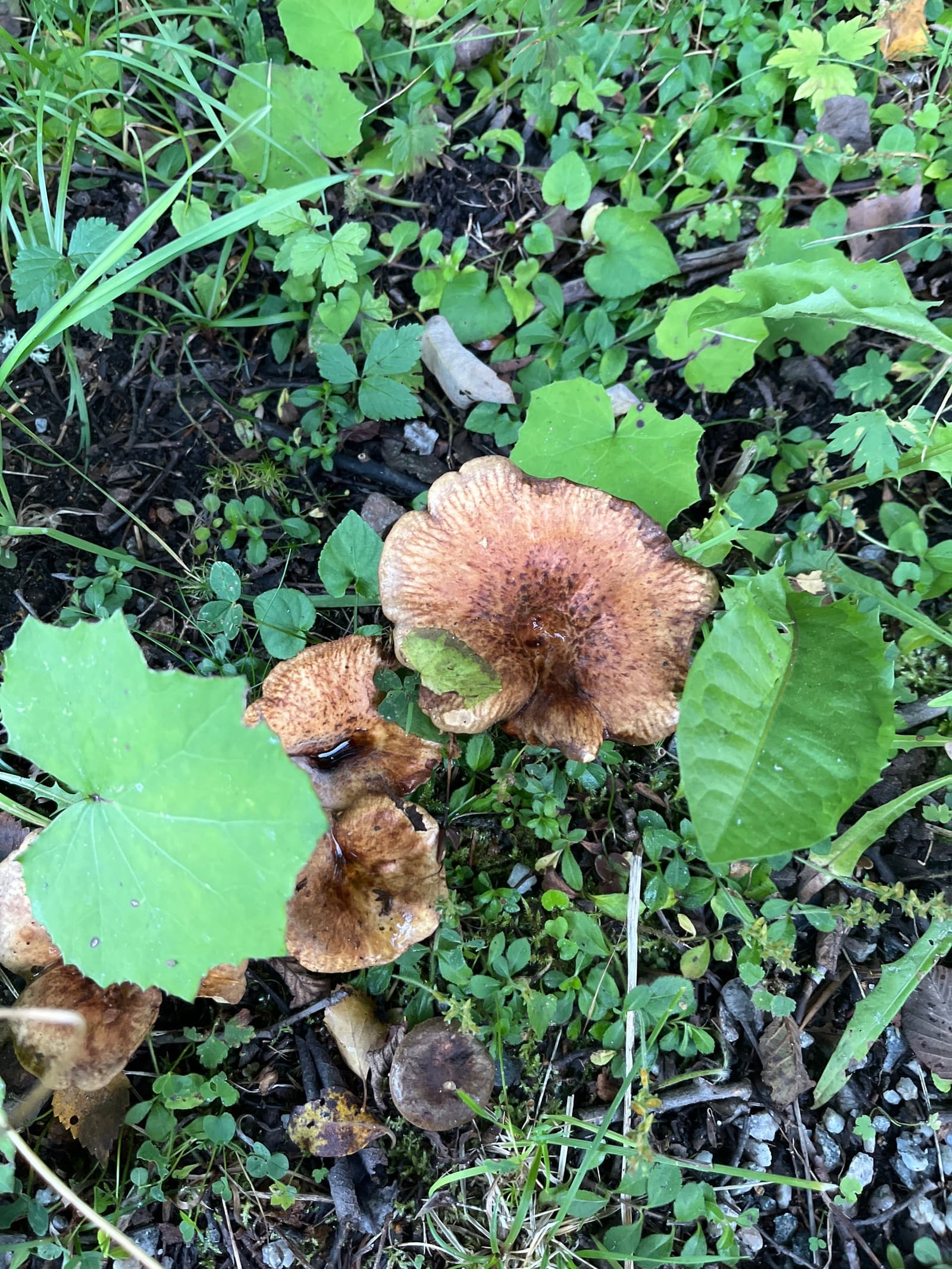
The photograph shows brown caps with yellow, porous undersides growing in gravel: a bolete, rather than a slimy pest. The main question here is not the exact species, but why it appears and what you can do about it in late August.
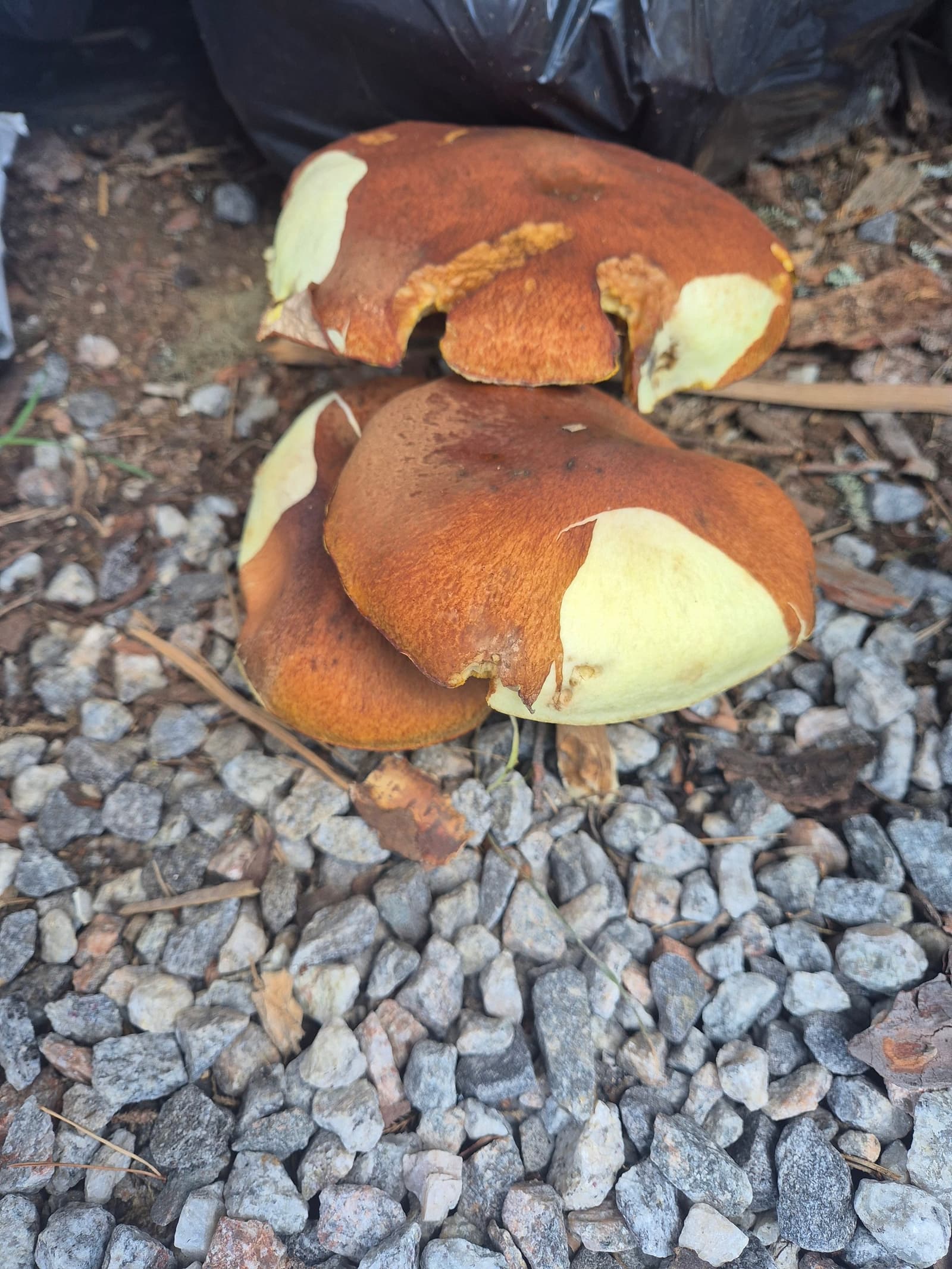
What has appeared is a bolete, with a brown cap and a yellow underside bearing pores rather than gills. It looks as though it belongs to the Suillus group, a common type often found near conifers and sometimes in gravel where roots, needles and organic matter lie beneath the surface.
They are not ‘nasty’ in the sense of attacking stone or ruining the ground. The fungus is already living underground as mycelium; these caps are simply the fruiting bodies that appear after damp late-summer weather. Growing in gravel does not mean they feed on the gravel itself, but that organic matter and roots are present below.
If you would rather not have them
Pick off the fruiting bodies and put them in the bin if you do not want to see them. That quickly improves the appearance, but rarely stops the fungus altogether. To reduce its return, keep the surface drier if possible, remove accumulated needles and other organic debris, and accept that new caps may appear in late summer and autumn, particularly at this point in August in Västernorrland, Sweden, when the mushroom season is under way.
Sources and images 1
- Original reader contribution ↗Reader question